

As the Lehigh Valley thaws out and warmer weather arrives, many homeowners turn their attention to spring cleaning. But while closets and garages get tackled in April, there’s one area of your home that deserves attention too — your insulation.
Winter weather can be hard on your home’s insulation, especially after months of heating, cold drafts, and fluctuating temperatures. A spring insulation check-up helps you assess any damage from the season, fix problems early, and improve comfort and energy savings before summer cooling costs kick in.
Here’s a practical, easy-to-follow guide to what you should inspect — and why it matters.
Why a spring insulation check-up matters
Even the best insulation can lose effectiveness over time, especially if it was compressed, disturbed, or exposed to drafts during winter. After months of heating your home, you may see areas where insulation is thinner than it should be, gaps have formed, or moisture has impacted performance.
By performing a check-up in April, you can catch issues early, avoid higher energy bills, improve indoor comfort, and protect the long-term integrity of your home’s thermal envelope.
1. Inspect your attic insulation first
The attic is often the most important place to start because heat rises and can escape through poorly insulated areas.
-
Look for uneven coverage: Your insulation should be level and cover the entire attic floor with no thin patches. If it’s sparse near the edges or around vents, it needs attention.
-
Check for gaps around attic access: Attic hatches, pull-down stairs, and attic doors are common spots for air leakage.
-
Watch for moisture or staining: Brown or dark streaks can indicate leaks from roof issues. Moisture compromises insulation and can cause mold.
Addressing attic insulation issues in spring sets the stage for a cooler, more efficient summer.
2. Examine exterior walls and rim joists
Exterior walls and rim joists (where the floor meets the foundation) can lose insulation effectiveness over time. While these are harder to see directly, some indicators help:
-
Cold or drafty walls: If interior rooms feel colder than others, your wall insulation may be insufficient.
-
Visible gaps in basements or crawl spaces: Spring is a good time to evaluate these areas when it’s dry and accessible.
-
Sound transfer between rooms: Poor insulation can allow more noise to pass through walls.
Air sealing and wall insulation upgrades go hand-in-hand with spring maintenance and can make a noticeable comfort difference.
3. Check basement and crawl space insulation
Basements and crawl spaces often collect moisture from winter runoff, and insulation in these areas can become compromised.
-
Inspect vapor barriers: These help keep moisture from entering the crawl space. If they’re displaced or damaged, fix them before spring rains.
-
Look for damp or musty odors: These can signal moisture issues that compromise insulation.
-
Check for gaps or rodents: Animals can disturb insulation, especially in cooler months.
Proper insulation and moisture control in these lower areas improve indoor air quality and reduce heating and cooling waste year-round.
4. Look for signs of drafts around windows and doors
Drafts around windows and doors don’t always mean you need new windows — often, it’s a sign of poor sealing or missing insulation in the frames.
-
Run your hand around edges: If you feel air moving, that’s a clue that insulation or air sealing is needed.
-
Consider weatherstripping: Replacing worn weatherstripping in spring ensures better comfort and energy savings before summer.
Why professional help matters
Some insulation issues are easy to spot and address on your own, but others require trained expertise and equipment. That’s where the pros at Lehigh Valley Insulation can make a difference.
With professional insulation inspection, installation, and air-sealing services, we help homeowners:
-
Evaluate existing insulation performance
-
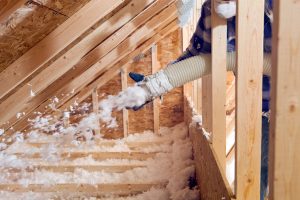
Install blown-in insulation for improved coverage
-
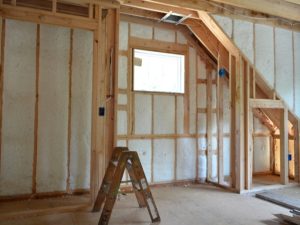
Use spray foam and moisture-resistant options where needed
-
Improve crawl space and basement insulation
-
Seal air leaks that sap energy and comfort
Their team brings knowledge, experience, and the right tools to make sure your home is efficient and comfortable no matter the season.
Get your home ready for spring and summer
Taking time this April to inspect your insulation can boost comfort, lower energy bills, and extend the life of your home’s thermal protection. Don’t wait until August’s air-conditioning bills arrive — spring is the ideal window to prepare.
If you’re unsure where to start or want a professional assessment, contact Lehigh Valley Insulation today. We’ll help you get a clear picture of your insulation needs and recommend solutions that work for your home and budget.